10 Classic Japanese Animated Movies That Changed the World of Animation
Japanese animated movies—often called “anime films”—are far more than just “cartoons.” They are a powerful form of art, storytelling, and cultural expression that has captivated audiences worldwide for decades. From the whimsical, heartwarming worlds of Studio Ghibli to the mind-bending psychological thrillers of Satoshi Kon, from epic tales of nature and humanity to intimate stories of growth and connection, Japanese animation has redefined what animated films can be. Unlike Western animations that are often labeled “for kids,” Japanese animated movies cater to all ages, tackling complex themes—grief, identity, war, love, and the human condition—with depth, nuance, and stunning visual artistry.
As an avid anime fan who has spent years exploring the rich legacy of Japanese animated cinema, I’ve curated a list of the 10 most classic films—works that not only shaped Japanese animation but also influenced filmmakers, artists, and audiences around the globe. These films are timeless, meaning they feel just as fresh and relevant today as they did when they were first released. Whether you’re a die-hard anime fan or new to the genre, these 10 movies are essential viewing—each one a masterpiece in its own right, offering a unique window into Japanese culture and the boundless creativity of its animators.
1. Spirited Away (2001) – Directed by Hayao Miyazaki (Studio Ghibli)
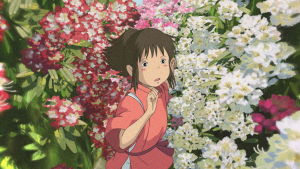
No list of classic Japanese animated movies is complete without Spirited Away—the film that elevated Japanese anime to global acclaim and remains a cultural touchstone. Produced by Studio Ghibli, this magical masterpiece won the 75th Academy Award for Best Animated Feature (the first and only animated film to win the Berlin International Film Festival’s Golden Bear) and is one of the highest-grossing Japanese films of all time, with a Douban rating of 9.4. The story follows Chihiro, a stubborn 10-year-old girl who stumbles into a spirit world after her parents are turned into pigs. Forced to work in a bathhouse run by the witch Yubaba, Chihiro embarks on a journey of self-discovery, courage, and compassion.
What makes Spirited Away timeless is its blend of whimsy and depth. Miyazaki’s hand-drawn animation is breathtaking—from the bustling bathhouse filled with magical creatures to the serene spirit river—and the film’s themes of identity, greed, and the importance of staying true to oneself resonate with audiences of all ages. It’s not just an animated movie; it’s a meditation on growing up and finding your place in the world, and it remains Studio Ghibli’s most iconic work.
2. My Neighbor Totoro (1988) – Directed by Hayao Miyazaki (Studio Ghibli)
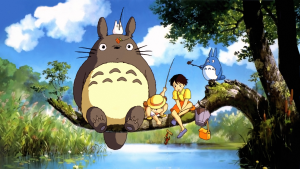
A gentle, heartwarming ode to childhood and nature, My Neighbor Totoro is one of Studio Ghibli’s most beloved films—and for good reason. Topping the 62nd Film Quarterly list of top ten films and winning a Special Award at the Japanese Film Blue Ribbon Awards, this film follows two young sisters, Satsuki and Mei, who move to the countryside with their father to be closer to their sick mother, with a Douban rating of 9.2. While exploring their new home, they discover Totoro—a giant, friendly forest spirit who becomes their companion and helps them navigate the challenges of growing up.
What makes My Neighbor Totoro a classic is its simplicity and warmth. Miyazaki captures the wonder of childhood perfectly—from the joy of exploring a new place to the fear of losing a loved one. Totoro himself has become an iconic symbol of Japanese culture, representing hope, friendship, and the beauty of the natural world. The film has no villains, no dramatic conflicts—just a gentle story of family, love, and the magic that surrounds us if we take the time to look. It’s a film that feels like a warm hug, and it’s impossible to watch without a smile.
3. Grave of the Fireflies (1988) – Directed by Isao Takahata (Studio Ghibli)
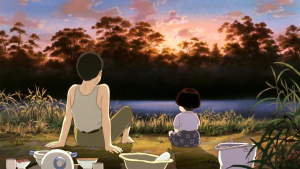
A stark contrast to the whimsy of My Neighbor Totoro (released the same year), Grave of the Fireflies is a devastating, poignant anti-war film that remains one of the most powerful animated movies ever made, with a Douban rating of 8.7. Based on a semi-autobiographical short story by Akiyuki Nosaka, the film follows Seita, a teenage boy, and his younger sister Setsuko, who struggle to survive in war-torn Japan during the final days of World War II. With their mother dead and father serving in the navy, the siblings are left to fend for themselves, facing hunger, illness, and the cruelty of a world torn apart by war.
Isao Takahata’s direction is raw and unflinching, and the film’s hand-drawn animation captures the bleakness of war without sensationalism. Grave of the Fireflies is not a story of heroism or hope—it’s a story of loss, innocence destroyed, and the devastating impact of war on ordinary people. It’s a difficult film to watch, but it’s an essential one—reminding us of the cost of conflict and the importance of compassion. Decades after its release, it still brings viewers to tears and remains a powerful anti-war statement.
4. Akira (1988) – Directed by Katsuhiro Otomo
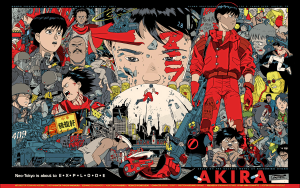
A groundbreaking sci-fi epic that redefined adult animation, Akira is a cultural phenomenon that put Japanese anime on the map for Western audiences, with a Douban rating of 8.9. Set in a dystopian 2019 Tokyo (renamed Neo-Tokyo) 31 years after a nuclear war, the film follows Tetsuo, a young biker gang member who develops powerful telekinetic abilities after a mysterious accident. As Tetsuo’s powers spiral out of control, his childhood friend Kaneda must stop him before he destroys Neo-Tokyo—and possibly the world.
What makes Akira a classic is its visionary animation, complex themes, and influence on pop culture. The film’s detailed, cyberpunk world—filled with neon lights, crumbling skyscrapers, and chaotic streets—was revolutionary for its time, and its exploration of power, corruption, and the dangers of unchecked technology still feels relevant today. Akira proved that animated films could be dark, mature, and visually stunning, paving the way for adult-oriented animation around the world. It’s a must-watch for any fan of sci-fi or animation.
5. Paprika (2006) – Directed by Satoshi Kon
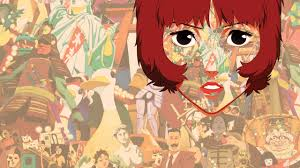
A mind-bending, visually stunning psychological thriller, Paprika is Satoshi Kon’s final film—and one of his greatest masterpieces, with a Douban rating of 9.1. Based on Yasutaka Tsutsui’s novelPerfect Blue, the film follows Dr. Atsuko Chiba, a psychiatrist who uses a revolutionary device called the DC Mini to enter her patients’ dreams and help them overcome trauma. When the DC Mini is stolen, dreams and reality begin to blur, and Dr. Chiba—using her dream alter ego, Paprika—must race to stop the thief before the line between fantasy and reality is erased forever.
Satoshi Kon’s direction is brilliant, and the film’s animation is a feast for the eyes—blending surreal, dreamlike imagery with sharp, realistic details. Paprika explores themes of identity, memory, and the power of the subconscious, and it’s a film that rewards multiple viewings—each time revealing new layers of meaning. It’s a testament to Kon’s genius, and it remains one of the most innovative animated films ever made, influencing works like Inception and other mind-bending thrillers.
6. Princess Mononoke (1997) – Directed by Hayao Miyazaki (Studio Ghibli)
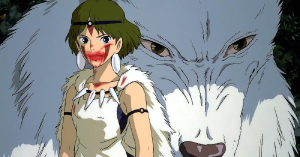
An epic tale of nature, humanity, and conflict, Princess Mononoke is one of Miyazaki’s most ambitious films, with a Douban rating of 8.9. Set in feudal Japan, the film follows Ashitaka, a young prince who is cursed by a demon and forced to leave his village. On his journey to find a cure, he encounters San (Princess Mononoke), a young woman raised by wolves who is fighting to protect the forest from a greedy industrialist who wants to destroy it for profit. As Ashitaka becomes caught in the middle of the conflict between humans and nature, he must find a way to bring peace to both sides.
The film’s animation is breathtaking—from the lush, ancient forest to the powerful forest spirits—and its themes of environmentalism, greed, and the balance between humanity and nature are more relevant today than ever. Princess Mononoke is not a simple story of good vs. evil; it’s a nuanced exploration of conflict, where both sides have valid motivations. It’s a film that challenges viewers to think about their relationship with the natural world, and it remains one of Studio Ghibli’s most epic and thought-provoking works.
7. Perfect Blue (1997) – Directed by Satoshi Kon
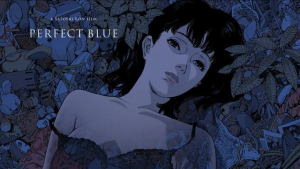
A tense, psychological thriller that blurs the line between reality and fantasy, Perfect Blue is Satoshi Kon’s debut film—and a masterpiece of adult animation, with a Douban rating of 9.1. The film follows Mima Kirigoe, a pop singer who decides to leave her girl group to pursue a career as an actress. As she takes on a role in a violent crime drama, Mima begins to experience hallucinations and paranoia, and she struggles to distinguish between her real life and the character she’s playing. When people around her start getting murdered, Mima must uncover the truth before she loses her mind—or her life.
What makes Perfect Blue a classic is its sharp, suspenseful storytelling and its exploration of identity, fame, and the pressure of being in the public eye. Kon’s direction is masterful, and the film’s animation is gritty and realistic, perfectly capturing Mima’s descent into paranoia. It’s a film that feels ahead of its time, tackling themes of celebrity culture and mental health that are still relevant today. Perfect Blue proved that animated films could be just as tense, complex, and thought-provoking as live-action thrillers.
8. Castle in the Sky (1986) – Directed by Hayao Miyazaki (Studio Ghibli)
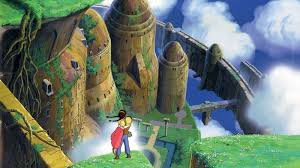
The first film produced by Studio Ghibli, Castle in the Sky is a whimsical, adventurous tale that set the tone for the studio’s future works, with a Douban rating of 9.2. The film follows Sheeta, a young girl with a mysterious crystal pendant, and Pazu, a young boy who dreams of finding Laputa—a legendary floating castle said to hold the secrets of a lost civilization. As they are pursued by pirates, the military, and a greedy villain who wants to use Laputa’s power for evil, Sheeta and Pazu must work together to find Laputa and protect its secrets.
Miyazaki’s imagination shines in Castle in the Sky, with its stunning visuals—from the floating castle Laputa to the lush, mountainous landscapes—and its themes of adventure, friendship, and the dangers of greed. The film’s soundtrack, composed by Joe Hisaishi (a frequent Miyazaki collaborator), is iconic, perfectly capturing the film’s sense of wonder and adventure. Castle in the Sky is a timeless adventure story that appeals to both children and adults, and it remains one of Studio Ghibli’s most beloved films.
9. Your Name. (2016) – Directed by Makoto Shinkai
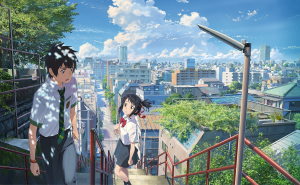
A modern classic that took the world by storm,Your Name. is a beautiful, emotional tale of love, fate, and connection, with a Douban rating of 8.5. The film follows Mitsuha, a high school girl living in a small town, and Taki, a high school boy living in Tokyo, who suddenly find themselves swapping bodies. As they navigate each other’s lives, they begin to form a deep bond—but when a catastrophic event threatens to tear them apart, they must find a way to meet and save each other, even if they don’t know each other’s names.
Makoto Shinkai’s animation is stunning, with vibrant, detailed visuals that bring both the small town and Tokyo to life. The film’s story is heartfelt and emotional, exploring themes of love, loss, and the power of connection. Your Name. became a global phenomenon, breaking box office records in Japan and around the world, and it introduced a new generation of viewers to Japanese animation. It’s a film that tugs at the heartstrings, and it remains one of the most popular Japanese animated films of all time.
10. Tokyo Godfathers (2003) – Directed by Satoshi Kon
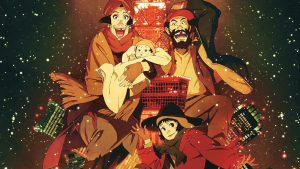
A warm, heartfelt tale of redemption and friendship, Tokyo Godfathers is a departure from Satoshi Kon’s usual psychological thrillers—but it’s no less a masterpiece, with a Douban rating of 9.0. The film follows three homeless people—Gin, a former alcoholic; Hana, a transgender woman; and Miyuki, a runaway teenage girl—who find a baby abandoned in a trash can on Christmas Eve. Determined to find the baby’s parents, the three embark on a journey through Tokyo, confronting their pasts and forming an unlikely family along the way.
Kon’s direction is tender and compassionate, and the film’s animation captures the gritty, realistic side of Tokyo while still maintaining a sense of warmth and hope. Tokyo Godfathers explores themes of family, redemption, and the kindness of strangers, and it’s a film that celebrates the humanity in even the most marginalized people. It’s a heartwarming, uplifting story that proves that family is not about blood, but about the love and connection we share with others.
Why These 10 Animated Films Matter
These 10 films represent the best of Japanese animated cinema—spanning decades, genres, and styles, they showcase the diversity and depth of Japan’s animation legacy. From the whimsical, family-friendly works of Studio Ghibli to the dark, mature thrillers of Satoshi Kon, from epic sci-fi adventures to intimate stories of love and loss, each film offers a unique perspective on the human experience.
What makes these films timeless is their ability to resonate with audiences across cultures and generations. They don’t just tell stories—they ask questions, challenge assumptions, and evoke deep emotions. Whether you’re watching Spirited Away for the first time as a child or revisiting Grave of the Fireflies as an adult, you’ll find new layers of meaning and beauty each time. Japanese animated films are more than just entertainment—they’re works of art that have shaped the way we think about animation and storytelling.
If you’re new to Japanese animation, these 10 films are the perfect starting point. They’ll introduce you to the creativity, passion, and vision of Japan’s greatest animators, and they’ll show you why Japanese animation is loved by millions around the world. And if you’re already a fan, revisiting these classics is a reminder of why we fell in love with this genre in the first place.
Have you seen any of these classic Japanese animated films? Which one is your favorite, or which are you most excited to watch? Let me know in the comments below—I’d love to hear your thoughts!